
Advertisement
ICE

ICEBlock Creator Sues U.S. Government Over App’s Removal

The Department of Justice demanded Apple remove ICEBlock, which reports sightings of ICE officials, from its App Store. Now the creator is suing, saying the demand violated his First Amendment rights.
ICEBlock Creator Sues U.S. Government Over App’s Removal
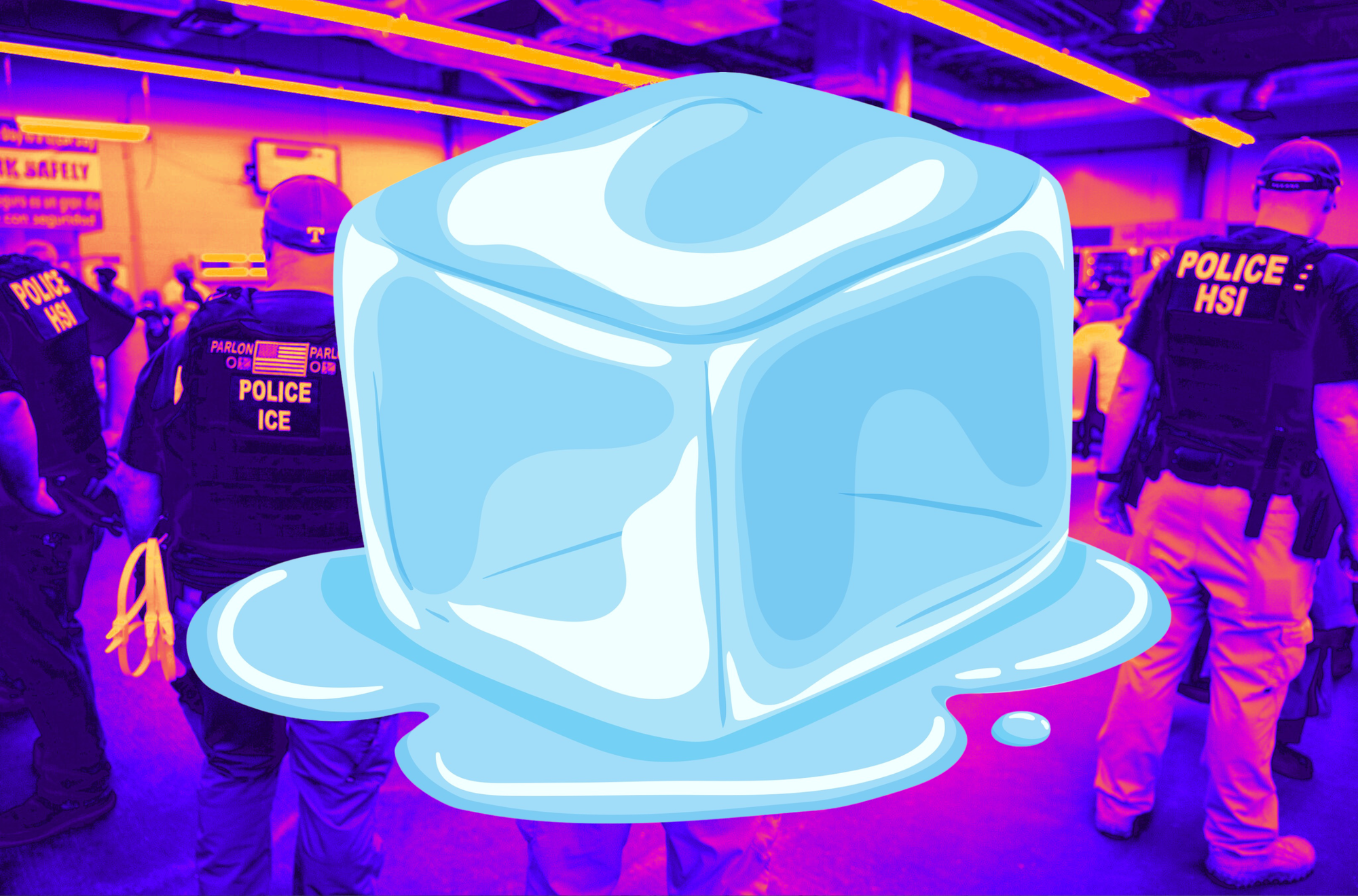
IMAGE: U.S. IMMIGRATION AND CUSTOMS ENFORCEMENT, VIA FLICKR, and ICEBlock's website.

The creator of ICEBlock, a popular ICE-spotting app that Apple removed after direct pressure from the Department of Justice, is suing Attorney General Pam Bondi and other top officials, arguing that the demand violated his First Amendment rights.

The move is the latest in the ongoing crackdown on ICE-spotting apps and other information about the Trump administration’s mass deportation effort. Both Apple and Google have removed other similar apps from their app stores, with Apple also removing one called Eyes Up that simply archived videos of ICE abuses. 

“A lawsuit is the only mechanism that can bring transparency, accountability, and a binding judicial remedy when government officials cross constitutional lines. If we don’t challenge this conduct in court, it will become a playbook for future censorship,” Joshua Aaron, the creator of ICEBlock, told 404 Media. The lawsuit also targets Kristi Noem, the head of the Department of Homeland Security (DHS), Todd Lyons, acting director of Immigration and Customs Enforcement (ICE), and Tom Homan, the White House’s Border Czar. 

💡
Do you know anything else about this removal? I would love to hear from you. Using a non-work device, you can message me securely on Signal at joseph.404 or send me an email at joseph@404media.co.

Ultimately, the lawsuit aims to obtain a “judicial declaration” that the actions of Bondi and others violated Aaron’s First Amendment rights. “But more broadly, the purpose is to hold government officials accountable for using their authority to silence lawful expression and intimidate creators of technology they disfavor,” Aaron said. “This case is about ensuring that public officials cannot circumvent the Constitution by coercing private companies or threatening individuals simply because they disagree with the message or the tool being created.”

ICEBlock lets people anonymously report sightings of ICE officials. Nearby users then receive a push alert about ICE activity in their local area, and sightings are automatically removed after four hours. Aaron compares the app to those that map the locations of speed cameras. Recording the police is also protected speech under the First Amendment.

The app garnered media coverage as authorities performed indiscriminate immigration raids in the parking lots of places like Home Depot. It went on to become the number one app in the Apple App Store for a time before its removal in October.

“Attorney General Bondi’s self-congratulatory claim that she succeeded in pushing Apple to remove ICEBlock is an admission that she violated our client’s constitutional rights. In America, government officials cannot suppress free speech by pressuring private companies to do it for them,” lead counsel Noam Biale said in a statement shared with 404 Media before the filing of the lawsuit.

Deirdre von Dornum, also lead counsel, said in a statement “If we allow community sharing of information to be silenced, our democracy will fail. The United States will be no different than China or Russia. We cannot stand by and allow that to happen. Every person has a right to share information under the First Amendment.”

The Department of Justice did not immediately respond to a request for comment.

The lawsuit provides some more alleged details about how the app was approved by Apple for inclusion on its App Store in the first place. It says Aaron had several video calls with Apple about the app, with multiple conversations including members of Apple’s legal department. Apple eventually approved the app.

ICEBlock grew to prominence after CNN covered the app in June. In response, DHS head Noem said “we’re working with the Department of Justice to see if we can prosecute [CNN] for that.” 

Then in September a shooter, alleged to be Joshua Jahn, fired at an ICE facility, killing two detainees and wounding another. Authorities claimed Jahn searched his phone for various tracking apps, including ICEBlock, before his attack.

The Department of Justice then directly pressured Apple to remove ICEBlock from its App Store. “We reached out to Apple today demanding they remove the ICEBlock app from their App Store—and Apple did so,” Bondi said at the time. “ICEBlock is designed to put ICE agents at risk just for doing their jobs, and violence against law enforcement is an intolerable red line that cannot be crossed. This Department of Justice will continue making every effort to protect our brave federal law enforcement officers, who risk their lives every day to keep Americans safe.”

That series of events started a broader crackdown on ICE-spotting and other related apps. Apple and Google also removed Red Dot, which essentially tried to do the same thing as ICEBlock. As part of that removal, Google described ICE officials as a vulnerable group. Google told 404 Media at the time that it didn’t receive any demands from the government to remove the app, and instead did so itself. Apple also removed Eyes Up, an app that had a maps style interface that catalogued videos of ICE abuses and didn’t report any officials’ real-time location (Google kept the Android version of the app online).

While it removed some ICE-spotting apps, Google has hosted a Customs and Border Protection (CBP) app that lets local cops use facial recognition to hunt immigrants on behalf of ICE. That app was removed recently.

After the removal of ICEBlock earlier this year, Aaron told 404 Media “We are determined to fight this with everything we have. Our mission has always been to protect our neighbors from the terror this administration continues to reign down on the people of this nation. We will not be deterred. We will not stop. #resist.”

Advertisement