The Chinese government pressured Zambia to cancel RightsCon, the world’s largest digital human rights conference, at the last minute, according to the conference’s organizers. Beijing was upset that the speaker’s list included prominent figures from Taiwanese civil society, AccessNow, the group that organizes RightsCon, wrote Friday.
On Wednesday, guests and speakers from across the planet headed to Zambia to attend RightsCon, the largest digital human rights conference in the world. Zambian immigration officials turned away early arrivals, saying the conference had been cancelled. The African country’s government posted a vague message on Facebook saying the conference had been postponed. By the end of the day, event organizers Access Now officially cancelled the conference and told participants not to go to Africa.
RightsCon is a large conference that takes years to plan and hosts thousands of people. It requires a high level of coordination between Access Now and the host country and it’s odd to cancel something this logistically complicated five days before it begins. On Friday, Access Now revealed details about what happened in a blog post. WIRED earlier reported on the Chinese pressure.
“On April 27, one day after a government press release endorsed RightsCon, we received a phone call from [Zambia’s Ministry of Technology] about an urgent issue and were told that diplomats from the People’s Republic of China (PRC) were putting pressure on the Government of Zambia because Taiwanese civil society participants were planning to join us in person,” the post said.
“This development was extremely concerning and we immediately pushed back. Next, we opened up lines of communication with our Taiwanese participants, as is our practice when there is a potential risk for a specific community. While we needed more information, we continued to feel confident this was something we could address with the government,” Access Now added.
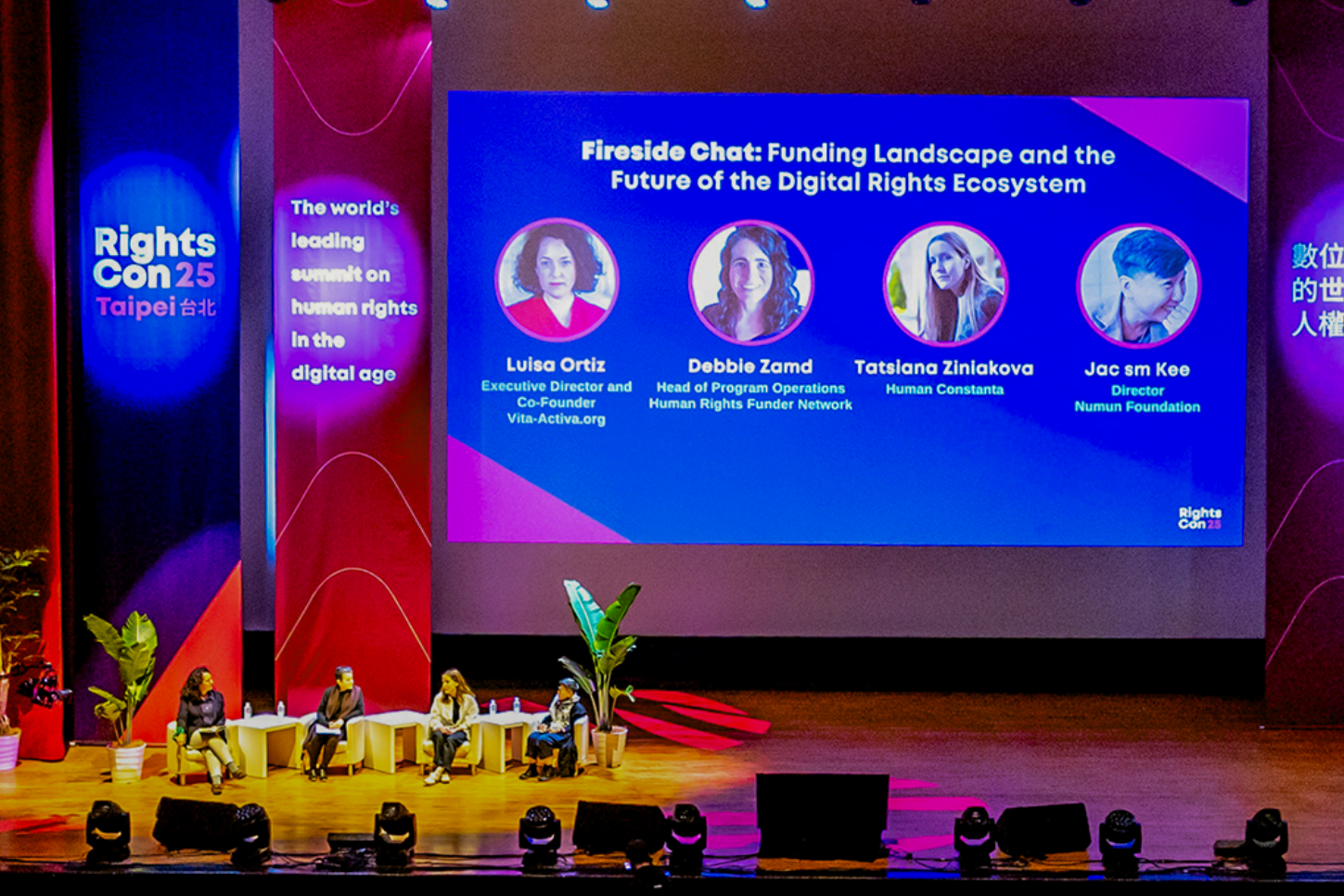
Scheduled speakers included Jo-Fan Yu, the CEO of the Taiwan Network Information Center, a non-profit that monitors Taiwan’s internet infrastructure, and E-Ling Chiu, the director of Amnesty International Taiwan. RightsCon was held in Taipei, Taiwan in 2025. China notoriously considers Taiwan to be part of China, and China has exerted pressure on countries and companies around the world to not acknowledge Taiwan’s independence.
After Zambia called Access Now, it posted a letter on Facebook and sent it to the rights group on WhatsApp. “This was our first official, written communication from the Ministry. According to the letter, the postponement was ‘necessitated by the need for comprehensive disclosure of critical information relating to key thematic issues proposed for discussion,’ which would be ‘essential to ensure full alignment with Zambia’s national values and broader public interest considerations,’” Access Now said in its blog.
“It is simply impossible to postpone an event the size and scale of RightsCon a week before it is set to start,” the organization added. “The summit requires more than a year of planning and preparation to host thousands of people and curate a program of more than 500 sessions.”
The language of the public letter was vague, but Access Now said its background conversations with Zambia were clear. “In order for RightsCon to continue, we would have to moderate specific topics and exclude communities at risk, including our Taiwanese participants, from in-person and online participation,” it said.
“This was our red line,” Access Now said. “Not because we were unwilling to engage, but because the conditions set before us were unacceptable and counter to what RightsCon is and what Access Now stands for.”