
Welcome back to the Abstract! These are the studies this week that were exhumed from their graves, worked scatological miracles, and drew inspiration from X-rays.
First, a diagnosis 200 years in the making confirms, once again, that Napoleon’s retreat from Russia was a terrible, horrible, no-good, very bad time. Then: crystal pee, life-giving poo, and the artistic side of radiotherapy.
As always, for more of my work, check out my new book First Contact: The Story of Our Obsession with Aliens, or subscribe to my personal newsletter the BeX Files.
Let’s dive in (to poopy waters)!
Bonaparte’s battlers beaten by beets
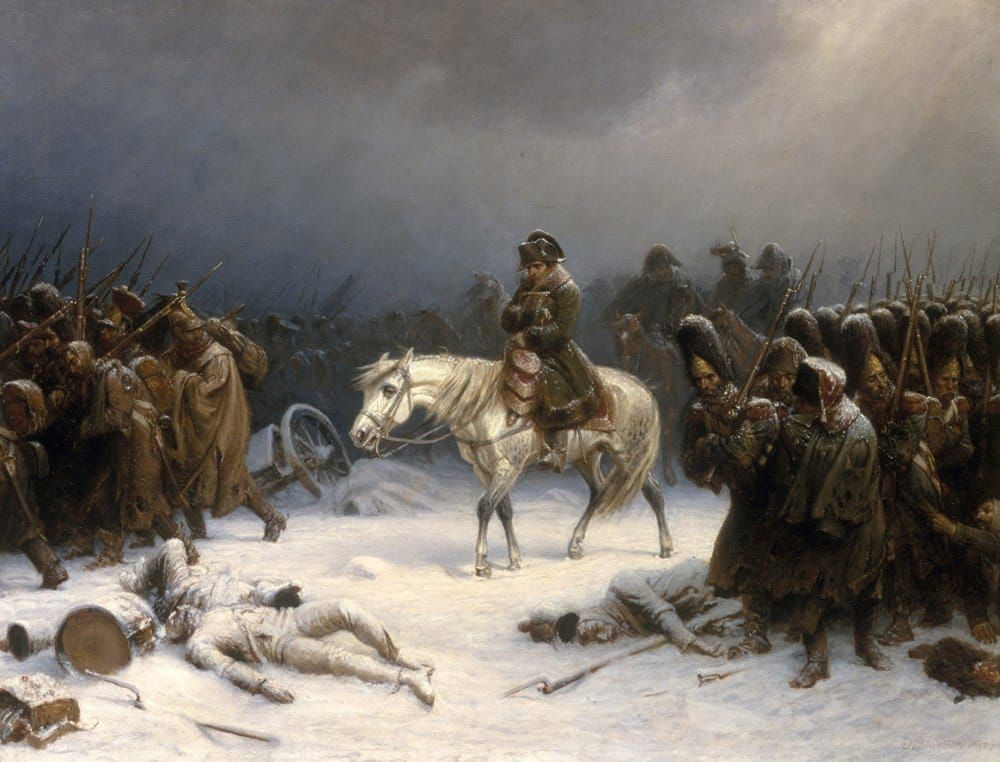
Of all the classic blunders, the most famous is getting involved in a land war in Asia (source: The Princess Bride). Napoleon Bonaparte’s troops learned this lesson the hard way during their disastrous retreat from Moscow at the wintry tail of 1812, which claimed the lives of 300,000 soldiers—more than half of the French army—largely from exposure and disease.