Advertisement
News

Vibe Coding Is Killing Open Source Software, Researchers Argue

‘If the maintainers of small projects give up, who will produce the next Linux?’
Vibe Coding Is Killing Open Source Software, Researchers Argue
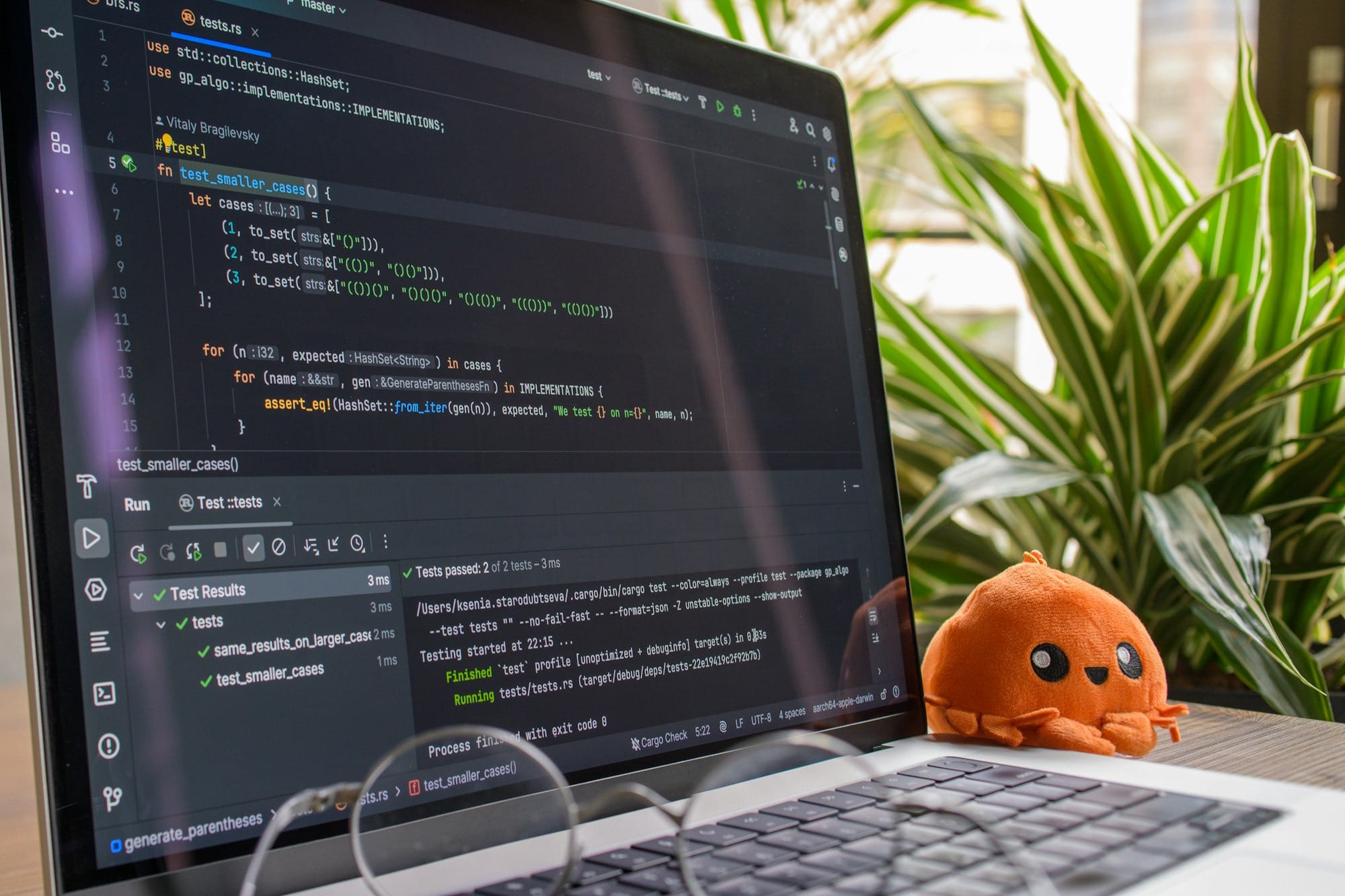
Photo by Daniil Komov / Unsplash

According to a new study from a team of researchers in Europe, vibe coding is killing open-source software (OSS) and it’s happening faster than anyone predicted. 

Thanks to vibe coding, a colloquialism for the practice of quickly writing code with the assistance of an LLM, anyone with a small amount of technical knowledge can churn out computer code and deploy software, even if they don't fully review or understand all the code they churn out. But there’s a hidden cost. Vibe coding relies on vast amounts of open-source software, a trove of libraries, databases, and user knowledge that’s been built up over decades. 

Open-source projects rely on community support to survive. They’re collaborative projects where the people who use them give back, either in time, money, or knowledge, to help maintain the projects. Humans have to come in and fix bugs and maintain libraries.

Vibe coders, according to these researchers, don’t give back.

The study Vibe Coding Kills Open Source, takes an economic view of the problem and asks the question: is vibe coding economically sustainable? Can OSS survive when so many of its users are takers and not givers? According to the study, no. 

“Our main result is that under traditional OSS business models, where maintainers primarily monetize direct user engagement…higher adoption of vibe coding reduces OSS provision and lowers welfare,” the study said. “In the long-run equilibrium, mediated usage erodes the revenue base that sustains OSS, raises the quality threshold for sharing, and reduces the mass of shared packages…the decline can be rapid because the same magnification mechanism that amplifies positive shocks to software demand also amplifies negative shocks to monetizable engagement. In other words, feedback loops that once accelerated growth now accelerate contraction.”

This is already happening. Last month, Tailwinds—an open source CSS framework that helps people build websites—laid off three of its four engineers. Tailwinds is extremely popular, more popular than it’s ever been, but revenue has plunged.

Tailwinds head Adam Wathan explained why in a post on GitHub. “Traffic to our docs is down about 40% from early 2023 despite Tailwind being more popular than ever,” he said. “The docs are the only way people find out about our commercial products, and without customers we can't afford to maintain the framework. I really want to figure out a way to offer LLM-optimized docs that don't make that situation even worse (again we literally had to lay off 75% of the team yesterday), but I can't prioritize it right now unfortunately, and I'm nervous to offer them without solving that problem first.”

Miklós Koren, a professor of economics at Central European University in Vienna and one of the authors of the vibe coding study, told 404 Media that he and his colleagues had just finished the first draft of the study the day before Wathan posted his frustration. “Our results suggest that Tailwind's case will be the rule, not the exception,” he said.

According to Koren, vibe-coders simply don’t give back to the OSS communities they’re taking from. “The convenience of delegating your work to the AI agent is too strong. There are some superstar projects like Openclaw that generate a lot of community interest but I suspect the majority of vibe coders do not keep OSS developers in their minds,” he said. “I am guilty of this myself. Initially I limited my vibe coding to languages I can read if not write, like TypeScript. But for my personal projects I also vibe code in Go, and I don't even know what its package manager is called, let alone be familiar with its libraries.”

The study said that vibe coding is reducing the cost of software development, but that there are other costs people aren’t considering. “The interaction with human users is collapsing faster than development costs are falling,” Koren told 404 Media. “The key insight is that vibe coding is very easy to adopt. Even for a small increase in capability, a lot of people would switch. And recent coding models are very capable. AI companies have also begun targeting business users and other knowledge workers, which further eats into the potential ‘deep-pocket’ user base of OSS.”

This won’t end well.Vibe coding is not sustainable without open source,” Koren said. “You cannot just freeze the current state of OSS and live off of that. Projects need to be maintained, bugs fixed, security vulnerabilities patched. If OSS collapses, vibe coding will go down with it. I think we have to speak up and act now to stop that from happening.”

He said that major AI firms like Anthropic and OpenAI can’t continue to free ride on OSS or the whole system will collapse. “We propose a revenue sharing model based on actual usage data,” he said. “The details would have to be worked out, but the technology is there to make such a business model feasible for OSS.”

AI is the ultimate rent seeker, a middle-man that inserts itself between a creator and a user and it often consumes the very thing that’s giving it life. The OSS/vibe-coding dynamic is playing out in other places. In October, Wikipedia said it had seen an explosion in traffic but that most of it was from AI scraping the site. Users who experience Wikipedia through an AI intermediary don’t update the site and don’t donate during its frequent fund-raising drives.

The same thing is happening with OSS. Vibe coding agents don’t read the advertisements in documentation about paid products, they don’t contribute to the knowledge base of the software, and they don’t donate to the people who maintain the software. 

“Popular libraries will keep finding sponsors,” Koren said. “Smaller, niche projects are more likely to suffer. But many currently successful projects, like Linux, git, TeX, or grep, started out with one person trying to scratch their own itch. If the maintainers of small projects give up, who will produce the next Linux?”

Advertisement