
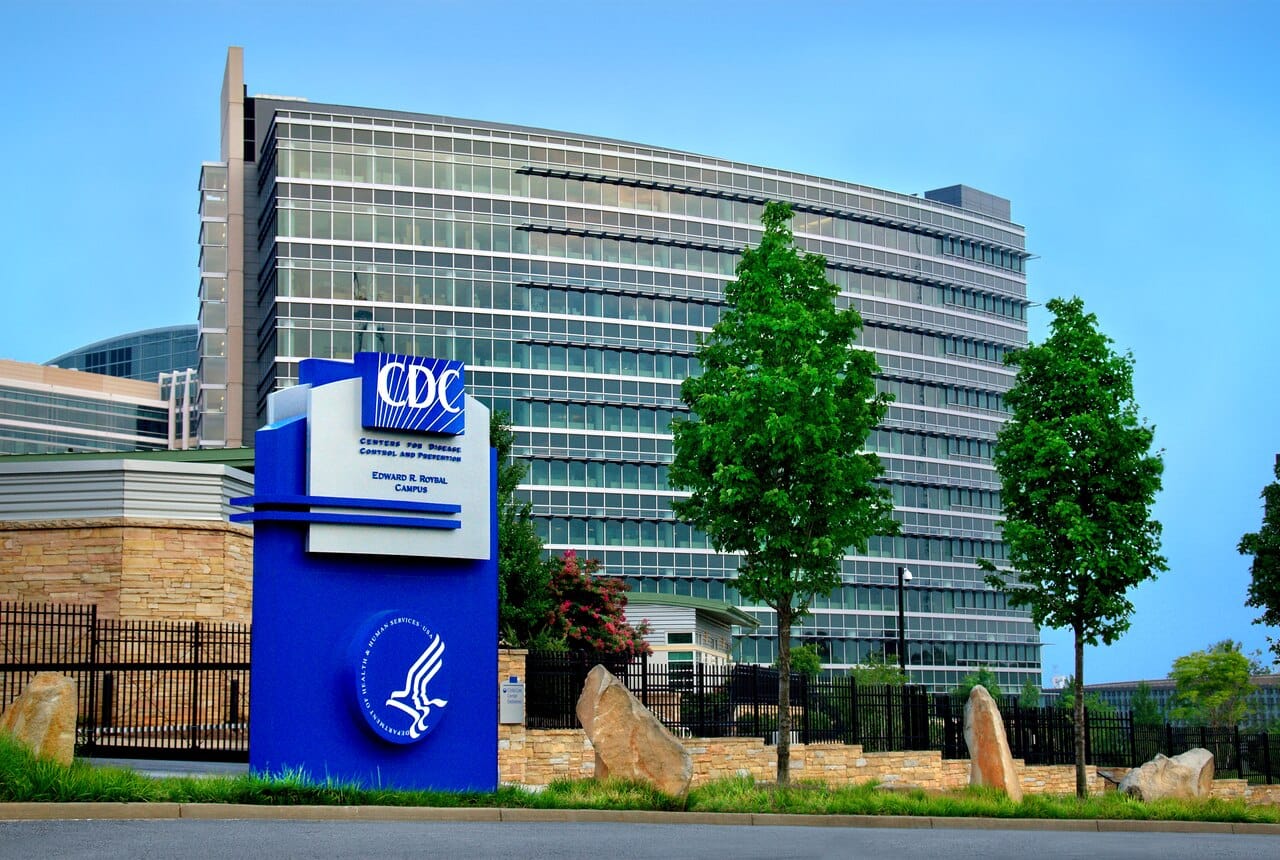
Researchers are raising alarms over “unexplained pauses” that have interrupted dozens of U.S. federal health surveillance databases covering vaccinations and overdose deaths during the second Trump administration. The breakdown is creating critical gaps in public health according to a study published on Monday in Annals of Internal Medicine.
During 2025, nearly half (46 percent) of 82 routinely-updated databases managed by the U.S. Centers for Disease Control and Prevention (CDC) experienced delays or total cessations of new data, an interdisciplinary team reports in their new audit. The majority (87 percent) of the affected databases monitor vaccination-related topics, and most experienced data blackouts for a period of more than six months as of late October 2025.
“Such long pauses may have compromised evidence for decision making and policies by clinicians, administrators, professional organizations, and policymakers,” wrote the researchers led by Jeremy W. Jacobs, an assistant professor of pathology, microbiology and immunology at Vanderbilt University Medical Center.
“Without current data on disease burden, vaccination coverage, behavioral health indicators, and demographic disparities, clinicians cannot identify emerging threats or focus on meeting the needs of specific populations,” the team continued. “Without safeguards, unexplained pauses in surveillance undermine evidence-based medicine and erode public trust at a time when both are critically needed.”
The affected CDC databases collect surveillance information from hospitals, research centers, and other sources to monitor dangerous situations—like infectious disease outbreaks or upticks in drug overdoses—and provide real-time aid and guidance to assist local health authorities. As of December 2025, only one of the paused databases identified in the October survey had been updated.
Over the course of the past year, the team wrote, federal health databases have seen "unprecedented removal and undocumented alteration.” They speculated that the interruptions are related to the Trump administration’s major cuts to federal staff and budgets across the U.S. government, including at the CDC and the National Institute of Health, which likely played a role in disrupting data collection and updates to technical infrastructure.
The disproportionate impact on vaccination-related databases also reflect the priorities of Robert F. Kennedy Jr., Trump’s Health and Human Services secretary, who has spread misinformation about vaccines, reduced the childhood vaccine schedule, and fired leading scientific advisors and CDC officials who have pushed back on his views.
“Vaccination tracking is particularly vulnerable because it requires ongoing coordination across federal, state, and health care system data sources,” the researchers said. “Vaccination surveillance identifies groups with greater challenges to access and equity by stratifying by age, race and ethnicity, geographic jurisdiction, and insurance coverage. The ability to address these disparities has been compromised precisely when such information is most needed to counter misinformation and target outreach.”
In an editorial published alongside the study, Jeanne Marrazzo, a physician and CEO of the Infectious Disease Society of America, called the new study “damning” and said it exposed “tampering with evidence” and “selective silencing." She warns that the loss of updated data in these systems could lead to “dire” consequences, including delayed responses to disease outbreaks, and a loss of public trust in federal health institutions.
“The administration’s antivaccine stance has interrupted the reliable flow of the data we need to keep Americans safe from preventable infections,” said Marrazzo, who was not an author of the study.
“The U.S. Department of Health and Human Services Secretary, who has stated baldly that the CDC failed to protect Americans during the COVID-19 pandemic, is now enacting a self-fulfilling prophecy,” she warned. “The CDC as it currently exists is no longer the stalwart, reliable source of public health data that for decades has set the global bar for rigorous public health practice.”